Archives: Performances

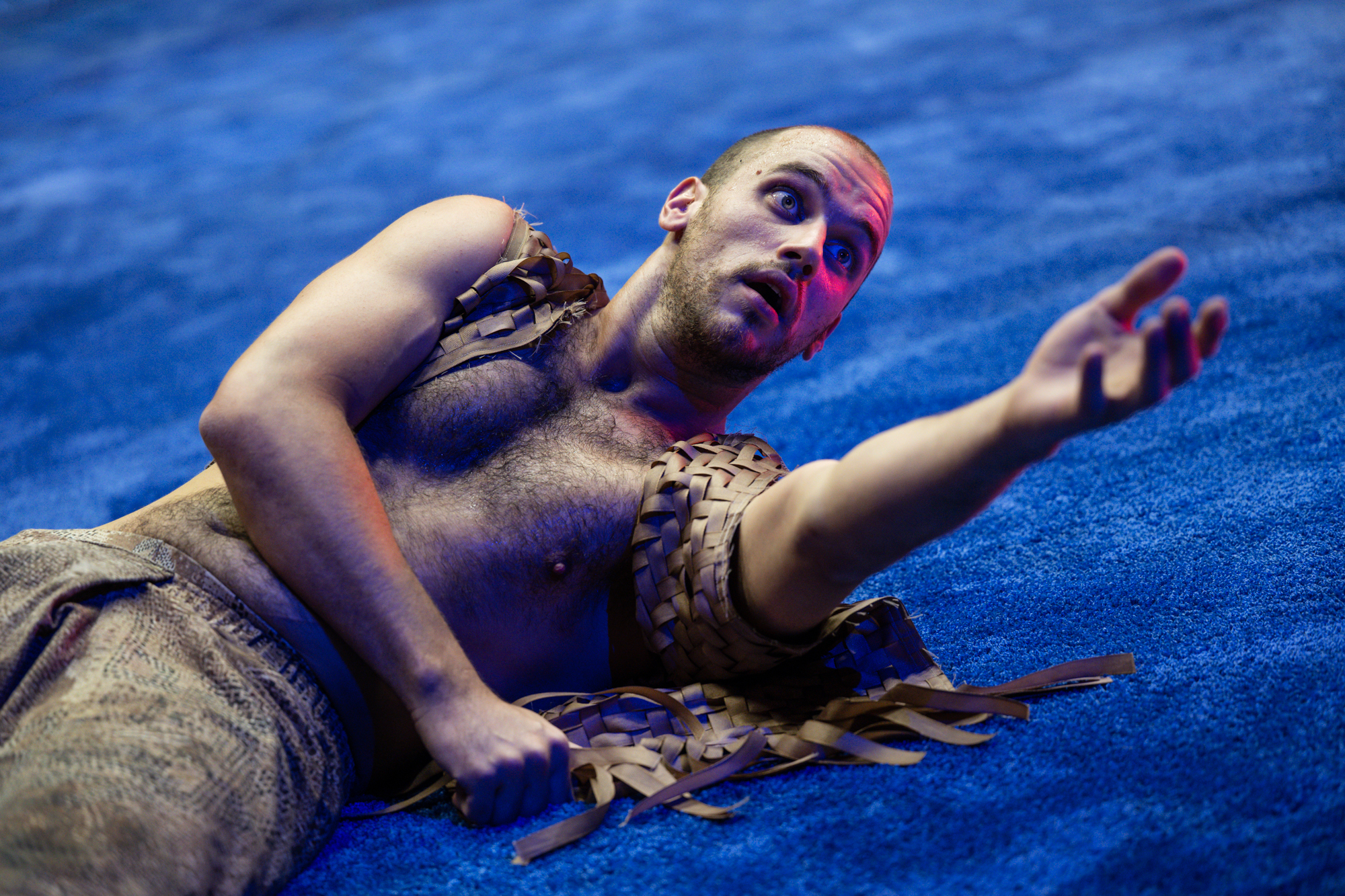
  • flesh chariot, chariot of flesh

    flesh chariot, chariot of flesh

    The performers exist in a state of “separate-togetherness,” navigating a porous boundary between individual agency and collective emergence. The group vibrates into scenes, dissolves into masses, collides in and out of coherence, riding waves of force that rupture stillness into collapse, an ecstatic overcoming.

    The architecture reveals itself in layers—soft, hard, sunken, protruding—inviting a destabilized reading of depth, time, and gravity. As the body rides and is ridden by force, we ask: how does a body metabolize the uncontainable?

    Faye Driscoll

    Faye Driscoll is an American dancer, choreographer, and director. Her works often include unexpected turns, elements of visual art or theatre, and move from realism into fantasy, while inviting audiences to experience everything from joy and exhilaration to discomfort and anger.

    Faye Driscoll has received the Doris Duke Award, a Guggenheim Fellowship, a Bessie Award, and the Jacob’s Pillow Artist Award, among many other distinctions. Her works have been presented at venues and festivals such as Tanz im August, Kunstenfestivaldesarts, La Biennale di Venezia, Festival d’Automne à Paris, Melbourne Festival, Belfast International Arts Festival, and the Onassis Cultural Centre in Athens.

    One of her recent works, Weathering, premiered at New York Live Arts in 2023 and has since toured across the United States, Europe, and Japan.

  • Some Thing Folk

    Some Thing Folk

    A future written in the past
    A story hard to tell,
    something folk for now

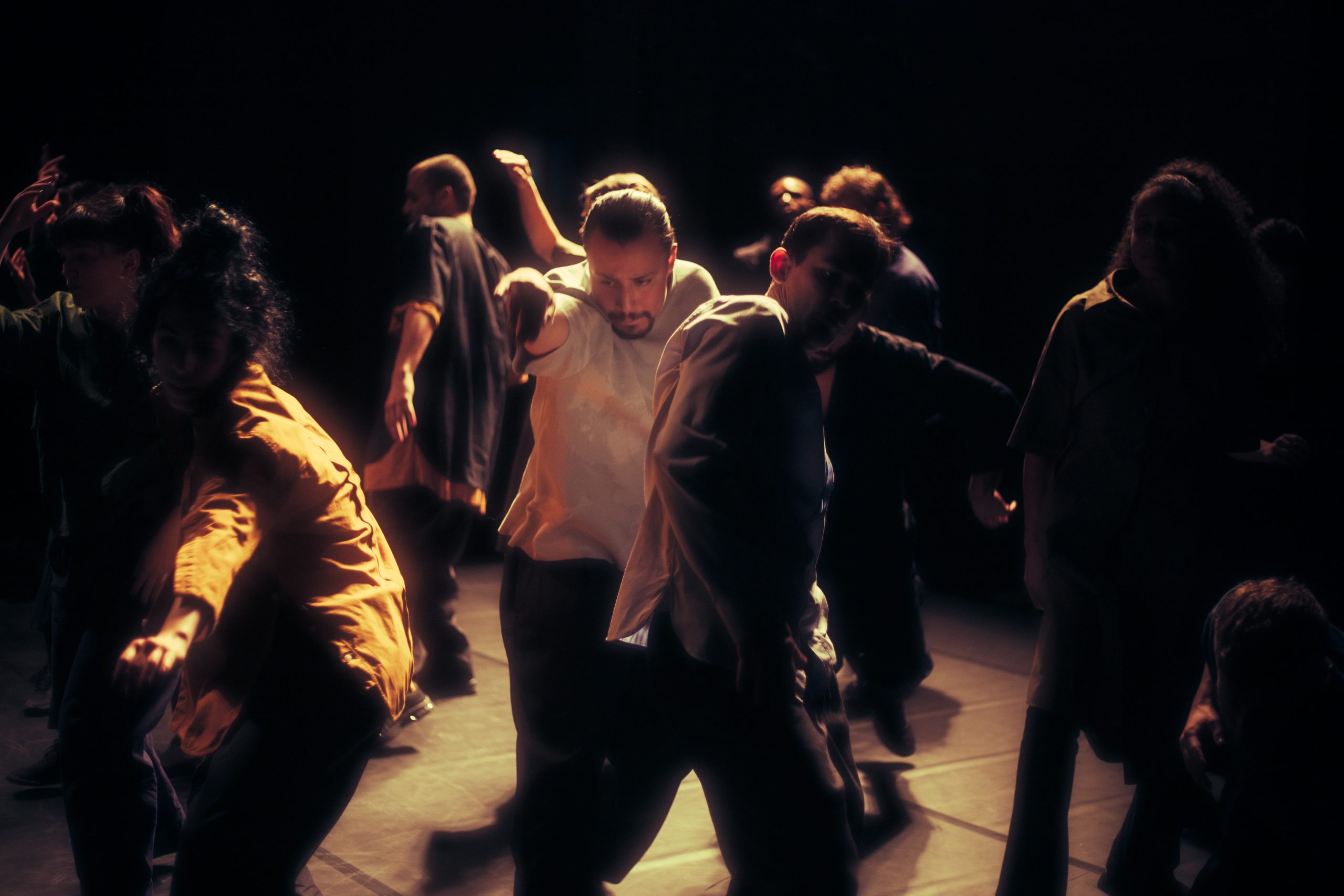
    Suppose the “human” body, beyond its fleshly matter, comprises stories we tell ourselves about ourselves. How might these porous and animate creature-like things (bodies) host an-other story inspired by their collective pasts but uprooted and set in motion by a series of imaginative departures?  A crucial story which teaches us to see each other more honestly.

    Inspired by for example black feminist theorist Zakkiyyah Iman Jackson and cultural anthropologist Elizabeth Povinelli, choreographer Ligia Lewis will explore complex modes of embodiment in ways that confront a racial history tethered to the skin, while simultaneously disrupting any linear or reductive explanation of this experience.

    See interview with Ligia Lewis on Youtube. 

    Ligia Lewis on the piece:

    At this particular moment in history, a moment of concentrated attention on social /political  movements as well as the respective violent political pushback, I observe a reactionary  “nativist” return mixed with multicultural nostalgia. What I mean by that is that on the  conservative end, far right groups are returning to a sanitized national mythos, and on the  more liberal end, I witness a cultural return to some nativist fantasy of what it means to be  “othered”, expressed through shallow celebrations of difference without the bite of critique.

    I wanted to work on this idea of “folk” not as fixed or exotic, but always in flux: an emergent,  evolving collective shaped by internal difference and attentive to the violence of the present.

    – How do you understand the relationship between choreography, folk, and the Volk? In developing this dance work, what goes into staging the different scales of choreographing (with) the folk, from the group, to the community, to the nation etc.

    I understood that choreography in its more traditional Euro-American usage is an archaic imposition on the body. I have been working on an embodied practice that puts eleven very different bodies in space through a meticulously organized manipulation of time. Hyper constructed and real time investigations are performed through a series of actions (folking/ figuring) and activities (landscaping), so that a visual and musical composition emerges.  Every body in space uses their own weight as a guide, however sculpted through an embodied practice I developed where we work on falling together – finding the skin, bone, and blood of ourselves and each other.

    With this piece, I also hope to share that the ghosts and goblins, and monsters from our  fairytales are really about us – symbols for us to see ourselves, and how we are implicated in  the monstrosities of the present, made into monsters whether idly standing by, or directly  and indirectly committing harm.

    As for “nation”, it’s a trap. We dance to do away with such things.
  • Guerrilla

    Guerrilla

    “I am very romantic about dance. I love it, I think it is important. I think it will save us from many things.” – Renan Martins

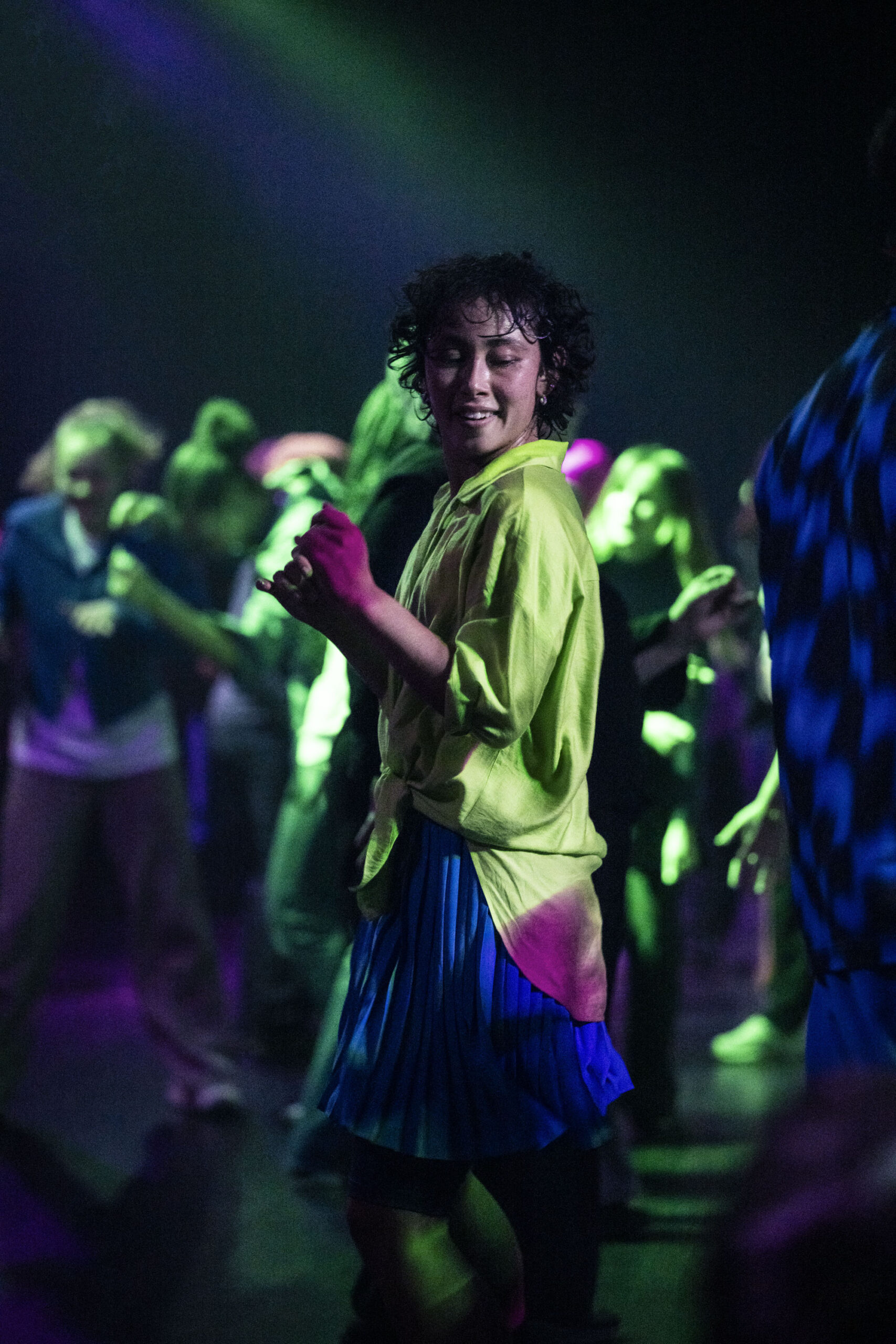
    Infused with a vibrant pulse that echoes through the space, creating an immersive experience where every heartbeat and movement is interconnected. Because there’s nothing stronger than the binding of life and how heat and blood keep the pace of our collective desire for freedom, touch, and attentive justice. The blurred line that links individual and collective. This rhythmic energy transforms the dance floor into a democratic space, where the roles of performer and spectator blur, fostering a sense of unity and shared experience. The audience is not merely a passive observer but an integral part of the performance, contributing to a collective energy that fuels the dance. This dance piece is not just a performance but a living, breathing entity that evolves with the input and presence of each participant. Here, the dance floor becomes a microcosm of society, where diverse voices and movements converge to create a unified and dynamic whole.

    This work speaks to the power of collective action and artistic expression as tools for social engagement and transformation, which are familiar topics for Renan Martins.

    Fragments

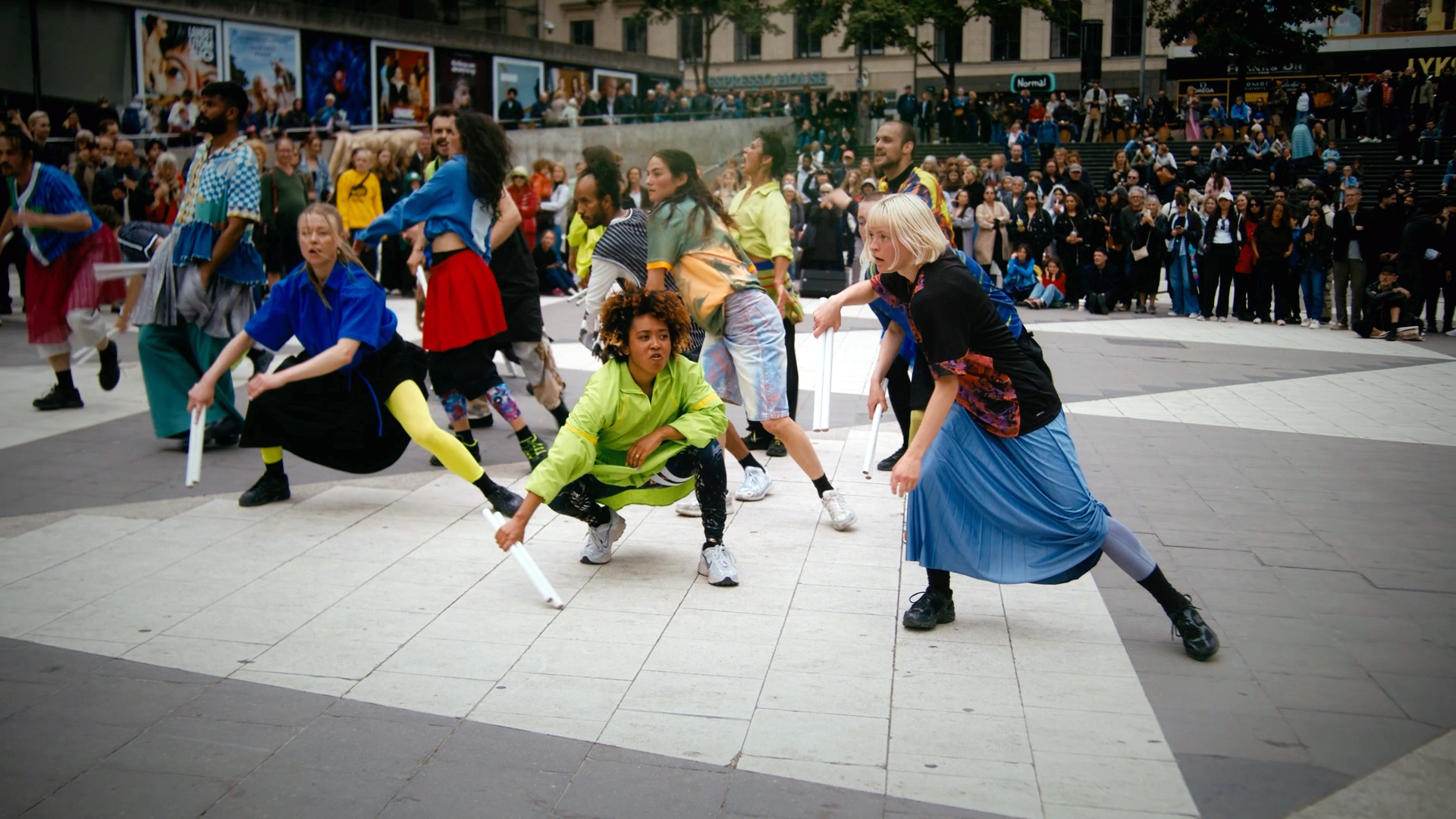
    Guerrilla Fragments is a shorter version of the performance and is often performed outside.

    Read Aminata Cairo’s text for the program.

    In the performance you can also hear the song “Lago dos Cisnes” by Piotr Ilitch Tchaikovski / Thiago França & A Espetacular Charanga do França, by courtesy of Alternetmusic Produção e Gravação Ltda.

  • Exposure

    Exposure

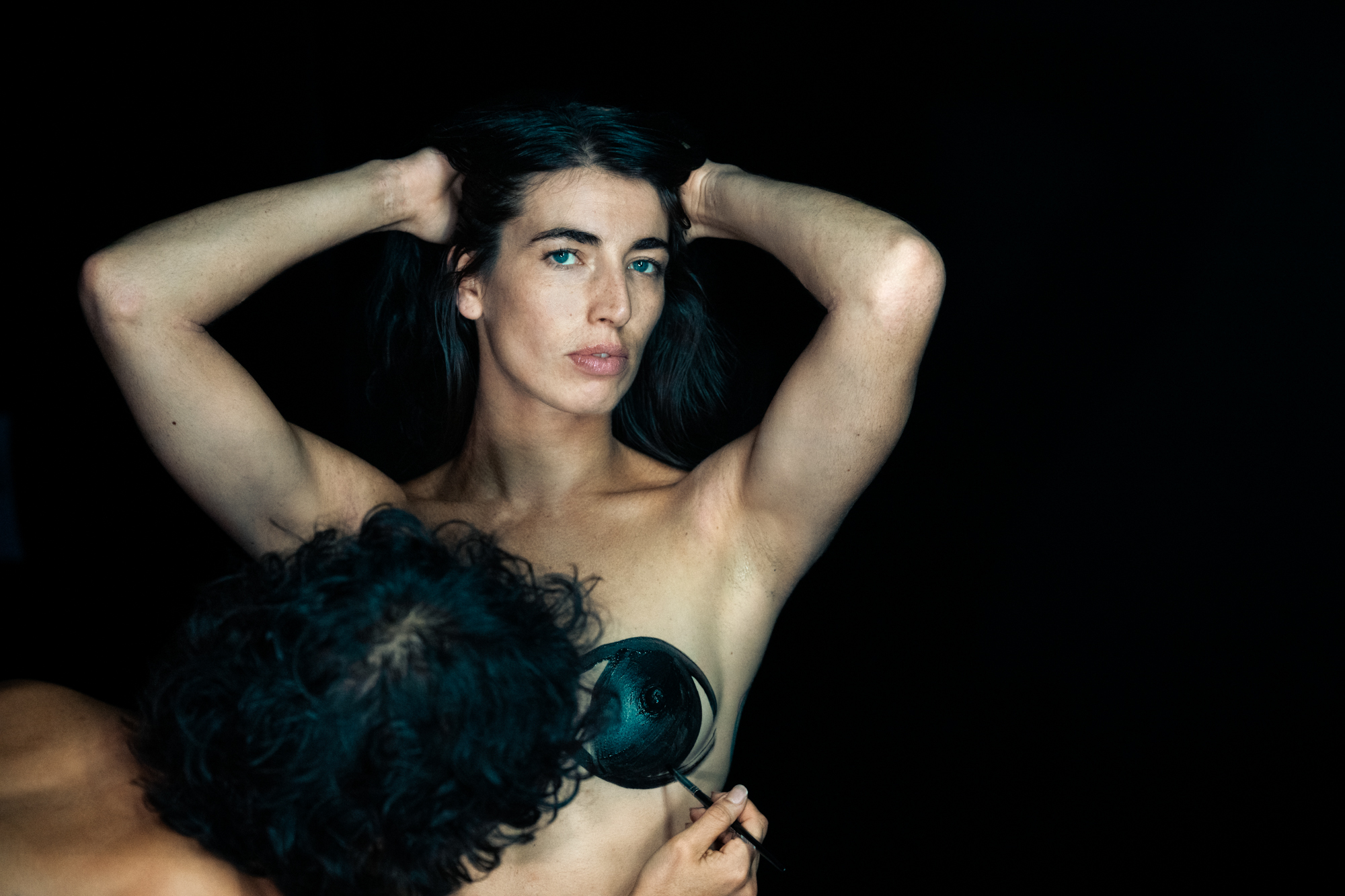
    In Exposure Alexandra’s subverting body stereotypes within pop culture, fashion, art and media. This act study, Exposure, reveals elements for performance in endurance, transforming static concepts of power into an empowering language of intimacy.

    Includes scenes with explicit nudity, sexual content and violence.

    On Exposure

    Text by Dorota Sajewska, dramaturg

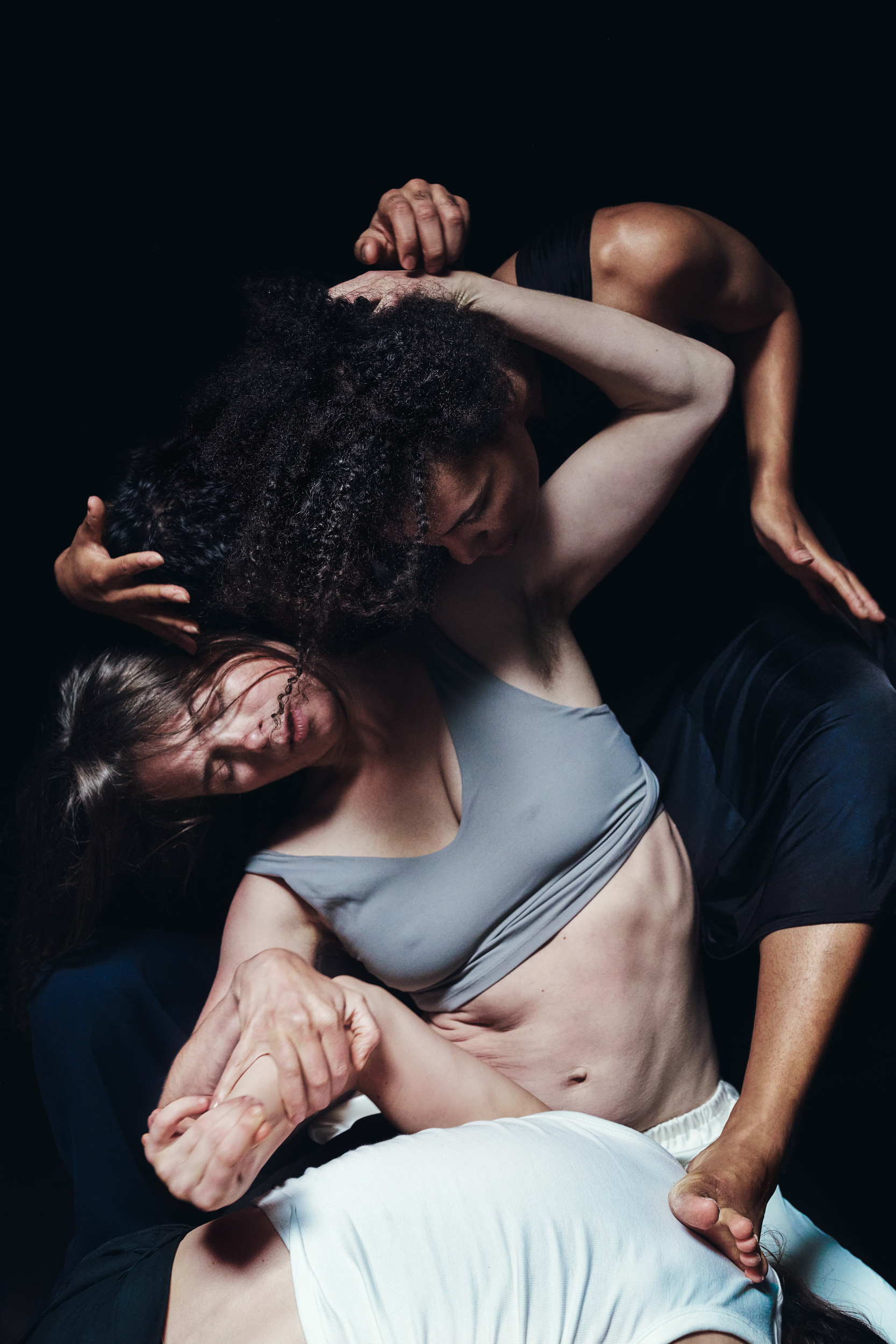
    Exposure explores the performative power of the nude and the gestural by setting images of the body in motion. It examines the representational strategies of the naked body in art, film, fashion and digital culture, as well as the treatment of the performer’s live body in action through its exposure. Reframing the ongoing performance of the body in today’s culture of hypervisibility, the piece reveals media staging as a means of producing and distributing our desires. It also challenges us to experience the limits of the body and to reflect on the conditions of its vulnerability.

    In Exposure Bachzetsis performatively studies the dialectical relationships between nudity and clothing, tenderness and violence, intimacy and alienation in order to empower the dancers and the spectators via affective images and situations. The representation of nudity is primarily concerned with the extreme physicality and the staged ambiguity of corporeality. It includes studies of everyday gestures, the excessive body cult in dance, intimate encounters and acts of exhaustion. The piece exposes the social power relations that shape bodily discipline, gender representations and sexuality in real life and on stage. By allowing gestures and actions to endure, exposure as a performative strategy opens up the possibility of rethinking our habits and ways of sensing the body.

    Production: Cullberg, in collaboration with All Exclusive
    Co-Production: Gessnerallee Zürich, Kaserne Basel, Arsenic – Centre d’art scénique contemporain Lausanne
    Supported by: Pro Helvetia, the Swiss Art Council, Kanton Zürich, City of Zürich

    Text from the movie Pleasure directed by Ninja Thyberg.
    Excerpt of choreographic material used with permission from Shay Latukolan.

    Duration approximately 90 minutes, no intermission
    Premiere September 24, 2024, Dansens hus, Stockholm

  • While in battle I’m free, never free to rest

    While in battle I’m free, never free to rest

    From the battle the Dancers rise, as individuals and together. They spring from the fight, the resistance, the coexistence. From the will and necessity to make a stand for something that might be taken from you, and for the ability to use your own language.

    Poetry by BAM – Burcu Sahin, Athena Farrokhzad and Merima Dizdarević.

  • Pop Up with Cullberg

    Pop Up with Cullberg

    This year’s pop up is titled Guerrilla Fragments and is created by Renan Martins, who also choreographed Guerrilla for Cullberg. It is an intense and rhythmical heart warming party.

    Duration 15-30 minutes.

    Duration: approx. 20 minutes
    Price: No fee
    .
    Former pop up performances
    • 2019: Version of ON THE CUSP choreographed by Ian Kaler, accompanied by electronic brass music from Planingtorock.
    • 2022: Excerpts from Noche choreographed by Alma Söderberg: rhythm and voice in close collaboration.
    • 2023-2024: Choreography by Hooman Sharifi with music by Arash Moradi
  • Sylph

    Sylph

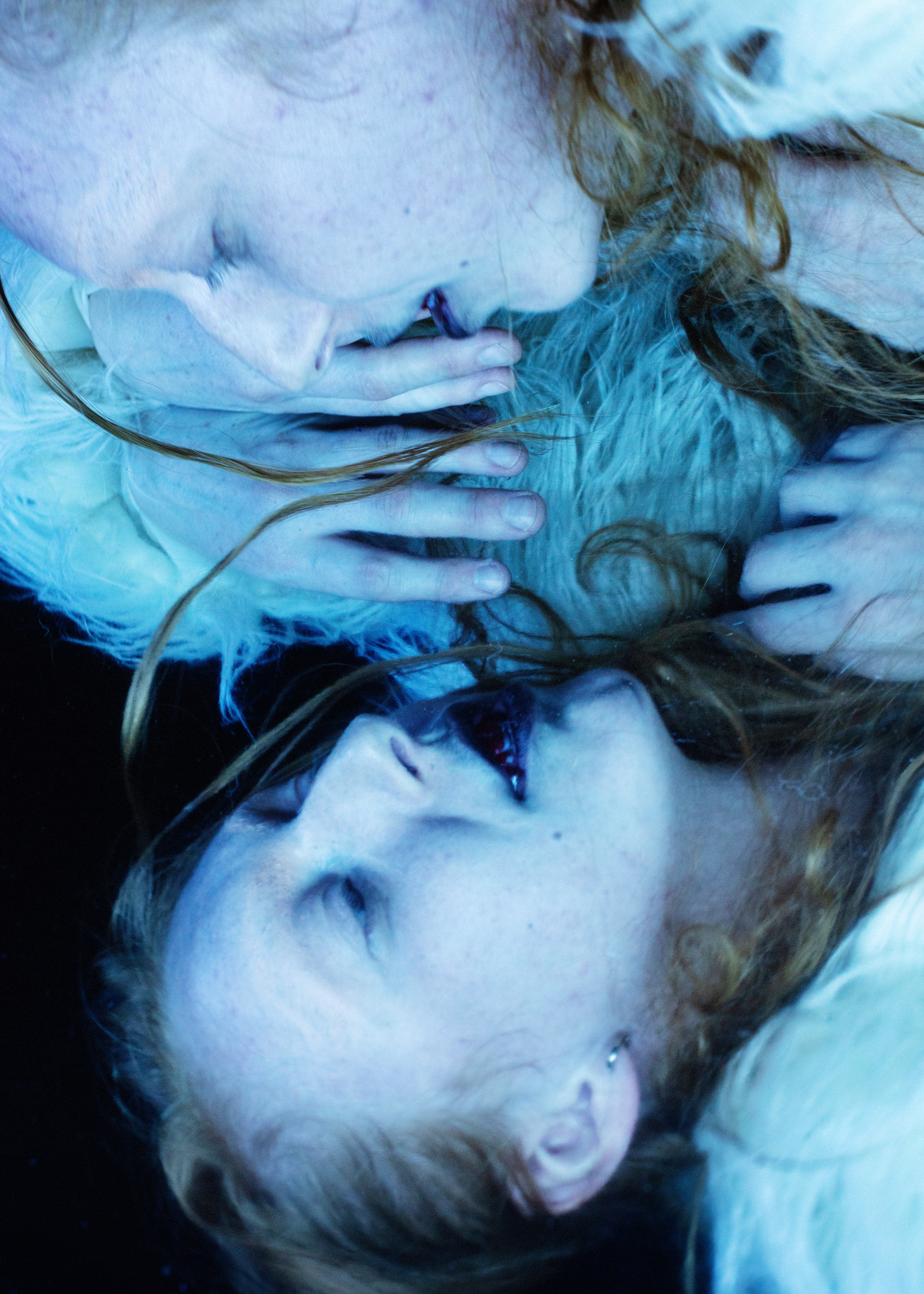
    Sylphs are ethereal beings with the power to shape-shift. Rougher, rawer and louder than humans, sylphs have an airy voice and a giant body with many heads, a sort of a swimming library of sound and movement. Like the wind, sylphs are constantly on the move, they are all-encompassing, they are the air that caresses your skin as well as the breath that you breathe deep into your lungs. They are quite curious creatures and love smacking on gossip. Obsessively listening, they wander in and out of the ballet’s mysterious forest, dancing, whispering, chewing and rustling through the air. 

    Sylph is a dance performance that takes inspiration from the 1909 ballet Les Sylphides by Michel Fokine, which is considered the first ballet based entirely on mood and dance with no real narrative. Sylph dabbles in the occult as well, merges it with classical ballet and explores ASMR sounds that generate a sensorial experience, a sort of a low intensive euphoria that creates a secret bond between dancer and audience.

    Sylph is created in collaboration with the dancers of Cullberg, composer Shida Shahabi, set-/light designer Chrisander Brun and costume designer Hanna Kisch and is a performance that examines what happens choreographically when sound, costume, set design, lights and dance have an equal role.

    “Septimus heard her say “Kay Arr” close to his ear, deeply, softly, like a mellow organ, but with a roughness in her voice like a grasshopper’s, which rasped his spine deliciously and sent running up into his brain waves of sound which, concussing, broke.”
    Virginia Woolf, Mrs. Dalloway

    Read review from Helsinki.